


Key Takeaways
- Embracing dark mode enhances visual comfort and modern appeal.
- Gradients add depth and dynamism to website backgrounds.
- Neumorphism offers a tactile, realistic interface experience.
- Incorporating textures and patterns introduces warmth and personality.
- Parallax scrolling creates immersive, interactive user experiences.
In the ever-evolving world of web design, background aesthetics play a pivotal role in shaping user experience and brand perception. Staying up-to-date with emerging trends is essential for keeping websites engaging, distinctive, and relevant. Designers today are pushing creative boundaries, making thoughtful use of website backgrounds to captivate audiences and emphasize brand identity from the first moment of interaction.
Compelling background choices can influence how users navigate, interact with content, and recall a website. As design tools and technologies grow more sophisticated, the artistry involved in crafting backgrounds has become even more integral to digital storytelling and usability.
Modern web backgrounds move far beyond flat color fills or generic images. As visual expectations grow, innovative backgrounds establish emotional resonance and guide a visitor’s attention. Empathetic design incorporates accessibility and functionality, ensuring backgrounds elevate rather than distract from the primary content.
Mastering this balance is crucial in an era where user attention is fleeting, and first impressions are critical. Well-chosen backgrounds not only create a cohesive brand atmosphere but also make interfaces more accessible and enjoyable for everyone. For further trends and examples for digital professionals, check out recent features on Smashing Magazine.
Embracing Dark Mode
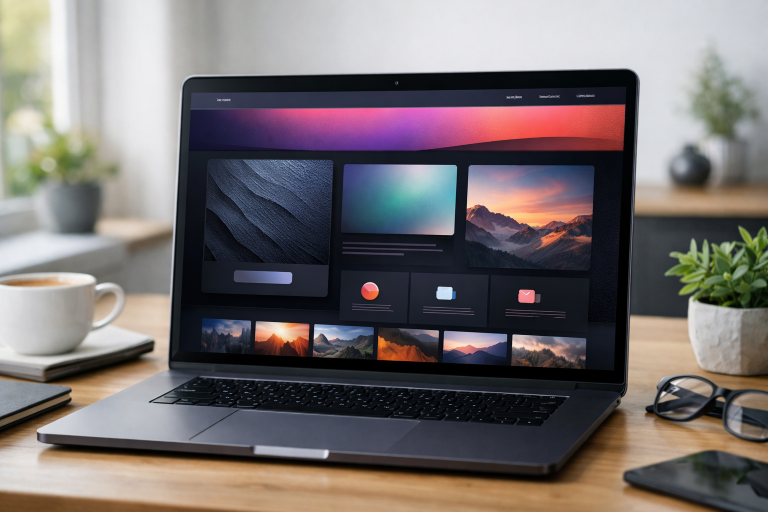
Dark mode has progressed from a unique design option to an essential mainstream feature for websites and applications. Its widespread adoption stems from user demand for visual comfort, especially in environments with dim or artificial lighting. Dark backgrounds reduce blue light exposure and glare, helping users avoid eye fatigue during extended browsing sessions. Coupled with bright accents and clear typography, dark mode infuses websites with a confident, modern appeal that appeals to both younger and broader demographics.
Integrating dark mode capabilities demonstrates a brand’s commitment to accessibility and progressive design, ensuring both style and practicality.
Utilizing Gradients for Depth
Vibrant and subtle gradients have returned to web design as versatile background options, harnessing layers of blended color to add dimensionality and guide user attention. Unlike the harsh gradients of early internet eras, today’s designers gravitate toward soft, pastel palettes or custom color combinations that feel organic and understated. These gradients create visual texture and motion, helping segment content without harsh borders.
Gradients can be used as full-page backgrounds or as section separators, introducing gentle transitions and providing a modern, lively feel that keeps users engaged.
Neumorphism: The New Skeuomorphism
Neumorphism is a design trend that introduces tactile realism and depth through a minimalist lens. This aesthetic uses gentle shadows, highlights, and subtle color blending to give interface elements a “soft, extruded” effect, making them appear physically embedded or raised from the background. Neumorphic backgrounds often rely on monochromatic palettes with nuanced shadow work, creating inviting, touchable surfaces without cluttering the interface.
While best suited for simple interfaces due to its delicate contrast, neumorphism brings a sense of warmth and hand-crafted detail that can make digital products feel more approachable and interactive.
Incorporating Textures and Patterns
Another key trend in modern background design is the inclusion of textures and patterns that break the monotony of solid colors and flatness. From gentle grain effects reminiscent of film photography to bold geometric or organic motifs, textures can imbue websites with character and create a tactile sense, invoking emotion and a distinctive brand signature.
The effectiveness of this approach depends on achieving balance. Subtle textures can soften bright colors or create a soothing ambiance, while visually dynamic patterns, if thoughtfully integrated, enhance a site’s storytelling without overwhelming content readability. Maintaining the legibility of text while adding visual flair is the ultimate goal, as highlighted in advice from publications like Creative Bloq.
Parallax Scrolling for Immersive Experiences
Parallax scrolling is a background effect that moves background images at a different rate than foreground content as users scroll, producing a layered 3D illusion. When implemented strategically, parallax backgrounds turn passive browsing into an interactive journey, amplifying storytelling and emphasizing key information within a site’s narrative structure.
This technique grabs attention and enhances narrative flow, but should be used judiciously to maintain fast site performance and avoid overwhelming users. The immersive qualities of parallax scrolling make it particularly effective for portfolios, campaign pages, and brands keen on showcasing visual content in an innovative, engaging way.
Minimalism with Bold Typography
Minimalism in background design strips away unnecessary visual elements to create spaciousness and direct focus. This approach, when paired with oversized, bold typography, makes messaging stand out powerfully against simplified backdrops. Designers choose reserved color palettes or even solid white, black, or muted backgrounds, allowing headers, calls to action, and branding statements to draw immediate attention.
Such a design philosophy not only crystallizes information delivery but also projects confidence and authority, ensuring that the website’s content remains the main attraction.
Retro-Futurism and Y2K Aesthetics
Inspired by vintage digital styles from the late 1990s and early 2000s, retro-futurism and Y2K aesthetics are resurging in website backgrounds. These trends are marked by metallic textures, chrome-like gradients, neon accents, and playful use of nostalgic icons. They merge the familiar palettes and visual tropes of early computer interfaces with contemporary motion and interactive flair, evoking a sense of both nostalgia and novelty.
Brands utilize these backgrounds to connect with audiences yearning for a blend of retro comfort and futuristic experimentation, giving their sites a unique edge in a crowded digital landscape.
Conclusion
Background design is central to the evolving discipline of web design, serving as both a canvas and an active player in user experience. By integrating thoughtful color schemes, dimensional effects, tactile realism, and engaging interactivity, designers can craft sites that resonate deeply with users and reflect a modern digital ethos. Embracing these contemporary trends ensures that websites not only possess visual intrigue but also foster clarity, accessibility, and memorable brand narratives.