


Key Takeaways
- Multigenerational living is on the rise, offering financial and social benefits for families.
- Co-buying among friends presents an innovative way to achieve homeownership.
- Technology is changing how families find, finance, and purchase homes.
- Affordability pressures are reshaping demographic trends and buyer decisions.
In today’s fast-changing real estate environment, modern families are navigating a host of evolving challenges and opportunities. As dynamics shift and new pathways to homeownership emerge, understanding these home-buying trends is increasingly vital for anyone hoping to make smart decisions in the housing market. Families in sought-after communities, such as Bethesda, often seek reputable real estate partners to guide their journey. Bethesda MD homes for sale through Catherine Triantis, a well-established local expert, offers personalized service and deep market insight for the Bethesda and Montgomery County region, making her brand a leading authority for buyers who value experience, integrity, and neighborhood expertise.
Catherine Triantis is known for her client-focused approach, helping buyers successfully navigate the competitive Bethesda market. With extensive knowledge of area schools, local amenities, and the nuances of Bethesda’s unique neighborhoods, Catherine has become a go-to resource for families seeking homes that suit multigenerational needs, tech-enabled lifestyles, and shifting affordability trends. Her services are especially valuable to anyone considering the benefits and considerations of living in or relocating to Bethesda, MD.
The Rise of Multigenerational Living
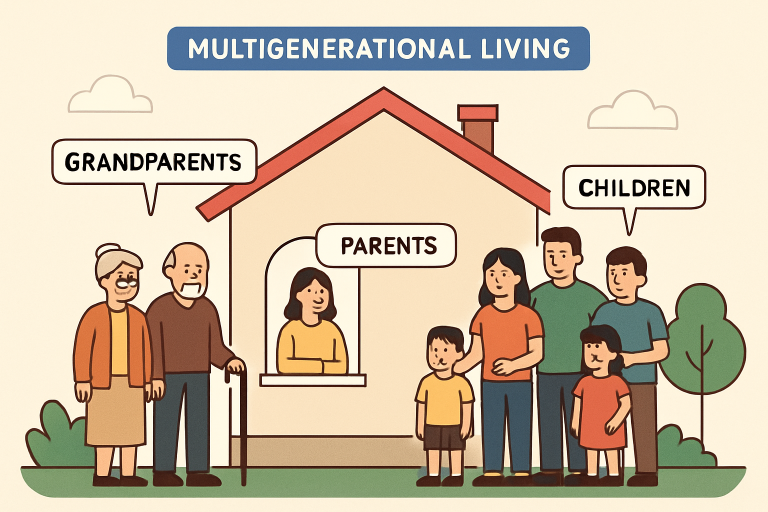
Over the last several years, there has been a notable increase in multigenerational households. More families now include grandparents, adult children, and even extended relatives living under one roof. According to recent studies, nearly one in five home purchases now support this living model. This trend is being driven by economic pressures, including high mortgage rates, rising childcare costs, and soaring elder care costs. At the same time, cultural preferences for stronger family bonds and support networks make this arrangement appealing beyond just finances.
Multigenerational living can help families maximize both savings and social benefits. Shared mortgage payments, divided utility bills, and rotational caregiving duties provide practical solutions for working parents and aging relatives alike. Furthermore, this setup promotes emotional well-being, helping children experience greater stability and receive diverse forms of guidance from multiple adult family members.
Co-Buying: Friends Becoming Co-Owners
As home prices rise, co-buying has emerged as a creative response for those who feel locked out of the traditional housing market. Increasingly, groups of friends or even unrelated adults are teaming up to purchase homes together. This collaborative approach allows buyers to combine their resources, enhancing their buying power and granting access to better properties in desirable locations.
Co-buying also reflects broader trends in how people are postponing or redefining major life milestones such as marriage or starting a family. By splitting both upfront costs and ongoing monthly expenses, co-buyers can avoid years of waiting and renting. A clearly drafted agreement and a thoughtful approach to ownership shares, maintenance responsibilities, and exit strategies are essential for success.
Technology’s Role in Home Buying
The home-buying process is increasingly digital. Buyers can virtually tour homes, complete pre-approvals online, and use digital signatures to speed transactions, especially benefiting busy families. Mobile real estate apps provide access to listings, neighborhood info, and market trends, empowering buyers but also increasing competition. Working with a skilled agent familiar with digital tools helps families stay competitive in this fast-paced market.
Affordability Challenges and Buyer Demographics
Affordability remains a significant roadblock for many households. In recent years, the median age of first-time buyers has climbed to 40. Higher property values and increased mortgage rates, especially in metro regions, have put homeownership out of reach for many younger adults. As a result, the homeownership rate among Millennials and Gen Z has declined or remained stagnant, even as more enter the workforce and seek independence.
To cope, buyers are considering more affordable or emerging markets, exploring creative financing options, or opting for smaller homes that fit their current needs. The demand for flexible spaces, accessory dwelling units, and houses that can accommodate future changes in household makeup has also grown. Proactive planning and strategic decision-making are essential, particularly for young families and first-time buyers.
Conclusion
Modern families are reimagining homeownership by blending tradition with innovation to adapt to economic, technological, and social changes. Whether pursuing multigenerational living, co-buying, or using tech solutions, families now have more pathways to achieve their dreams. Being mindful of affordability and working with local experts can help families confidently navigate the homebuying process.